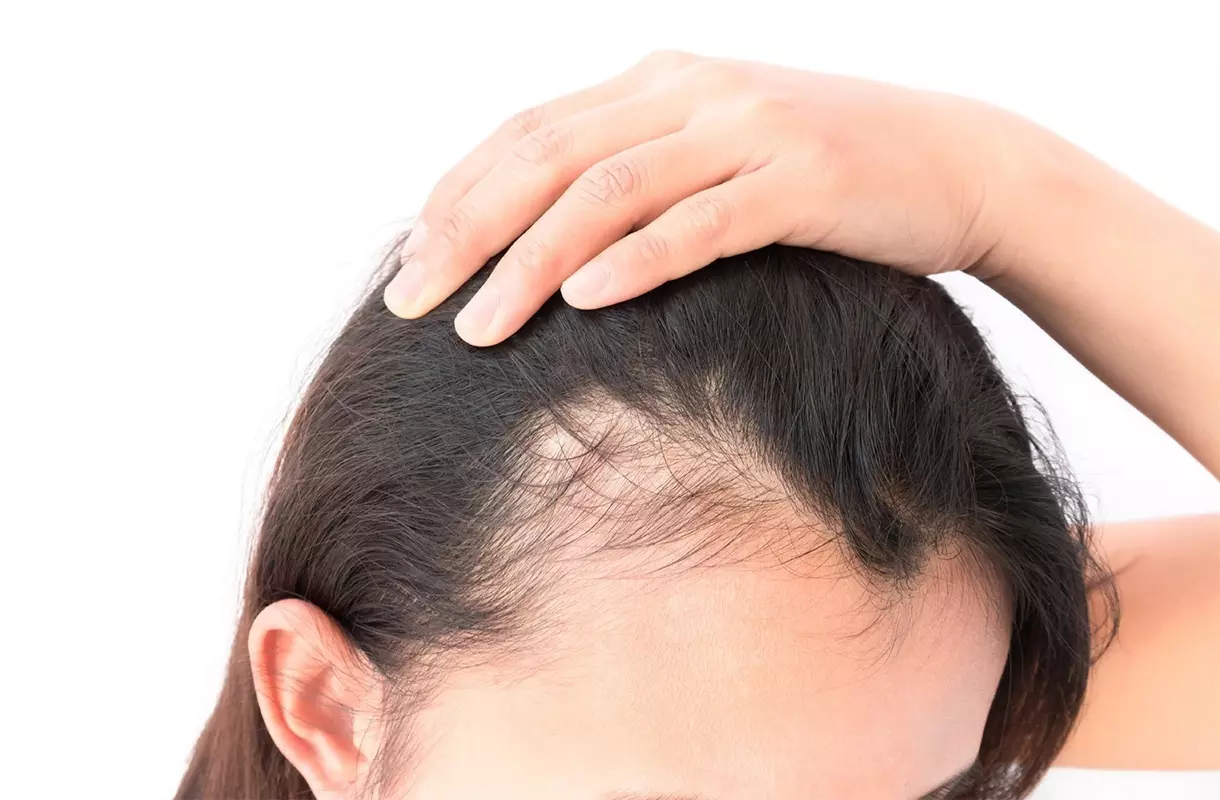

A scalp biopsy is a procedure that helps identify the cause of hair loss, scalp conditions, or alopecia. By analyzing small tissue samples from the scalp, we can determine the specific type of alopecia or condition affecting your hair. Once diagnosed, Dr. Gray provides personalized treatment options to restore your hair and scalp health.
If you are struggling with unexplained hair loss, a scalp biopsy can be the first step toward understanding your condition and finding the right treatment.
What Is a Scalp Biopsy?
A scalp biopsy is a medical procedure where small tissue samples are taken from your scalp. These samples are analyzed to diagnose the underlying cause of your hair loss or scalp condition. A scalp biopsy is recommended when hair loss is unexplained or the exact cause cannot be identified through other tests.
If you are experiencing unexplained hair loss, it is crucial to identify the underlying cause. A scalp biopsy can help diagnose specific types of alopecia, such as androgenetic alopecia, scarring alopecia, or alopecia areata. Understanding the root cause of hair loss allows Dr. Gray to create a customized treatment plan based on the precise diagnosis.
When is a Scalp Biopsy Recommended?
Dr. Gray recommends a scalp biopsy if your hair loss is unexplained or difficult to diagnose through other means. It is particularly helpful in cases of alopecia areata, androgenetic alopecia, or scarring alopecia.
A scalp biopsy provides valuable insights into your condition, enabling you to tailor a treatment plan that addresses the root cause of your hair loss.
What Happens During a Scalp Biopsy?
Here’s what you can expect during your scalp biopsy:
- Numbing the area: Dr. Gray will apply a local anesthetic to numb the biopsy site. This ensures you feel no pain during the procedure.
- Taking tissue samples: Two small tissue samples (smaller than a pencil eraser) will be taken from different areas of your scalp. These samples are sent to a pathologist for analysis.
- Stitching the sites: After collecting the samples, Dr. Gray will close the biopsy sites with stitches to promote healing.
What Are Essential Pre-Biopsy Instructions?
- Medication: DO NOT take any NSAIDs (e.g., Advil, Aleve) for at least 5 days before the biopsy, as these can increase bleeding and make the biopsy sites more difficult to close. You can take Tylenol if needed.
- Cleansing Scalp: Wash your scalp thoroughly the day before or morning of your biopsy to ensure it is clean and free from oils or residues. Do not use topical camouflaging fibers (Toppik, DermMatch, etc.) before your biopsy. These should be completely washed out of your scalp.
- Hair Products: Avoid applying any hairspray, gel, or mousse on the day of your biopsy. These products can interfere with the biopsy process and make the site prone to infection.
- Hair System: If you wear a wig or hair system, you can remove it at our office before the procedure. You may reapply it after the biopsy is completed, before leaving the office.
By following these simple pre-biopsy steps, you help reduce the risk of complications and ensure more accurate biopsy results.
What Are Essential Post-Biopsy Care and Instructions?
After the scalp biopsy, proper care is essential to promote healing and reduce the risk of infection:
- Wound Care: The biopsy sites will have small stitches to close the wounds. A small amount of antibiotic ointment will be applied to the sutures immediately after the biopsy. Keep the wound dry and clean for the first day after the biopsy.
- Managing Bleeding: If bleeding occurs, apply constant pressure for 20 minutes to stop it.
- Washing Your Hair: You can wash your hair the day after the procedure. After shampooing, gently dry the area and apply a small amount of antibiotic ointment to each biopsy site to promote healing.
- Pain Management: You may take Tylenol to relieve mild discomfort. Numbing from the procedure should wear off after about 2.5 hours. It's recommended to take Tylenol before the numbing wears off to prevent discomfort.
- Avoid Scratching: Do not scratch or touch the biopsy sites to avoid infection and ensure the wounds heal properly.
Following these post-biopsy instructions ensures a smooth healing process and reduces the chances of complications.
Suture Removal
- Suture Removal Appointment: You will need to come back for a suture removal appointment about 10-14 days after the biopsy. This appointment will take 10-15 minutes and there is no charge.
- During the Removal: The stitches are clipped with small scissors, and the sutures will be easily removed. You should experience minimal discomfort during the procedure.
- Healing Process: After the sutures are removed, the biopsy site should be barely noticeable. Due to the small size of the incision, the area will heal without leaving visible scars.
- Follow-up and Results: By the time of your suture removal, we will have your biopsy results back from the pathologist. Dr. Gray will review the findings with you and discuss the next steps for treatment, depending on the diagnosis.
What to Expect After Your Biopsy Results?
After the scalp biopsy results are in, Dr. Gray will discuss your diagnosis and the next steps. The results will help determine whether you have a specific type of alopecia or a scalp condition. Based on your diagnosis, Dr. Gray will create a personalized treatment plan to help you address your hair loss.
FAQs
What Are the Risks of a Scalp Biopsy?
A scalp biopsy is a relatively safe procedure, but like any medical procedure, it carries some risks, such as infection, scarring, or bleeding. These risks are minimal and can be reduced by following pre- and post-biopsy instructions carefully.
How Long Does It Take to Heal After a Scalp Biopsy?
The wound heals in about 7-10 days. You will be able to resume most daily activities soon after the procedure.
Will Others Notice I’ve Had It Done?
No, the biopsy site is usually small and discreet, and the scarring is minimal. With proper care, the site will be barely visible once it heals.
When Can I Dye My Hair After a Scalp Biopsy?
You can color your hair about 1 week after the procedure, once the biopsy site has fully healed.
When Can I Resume Using Hair Products After a Scalp Biopsy?
You can resume using hair products, such as gels and sprays, the next day after the biopsy, as long as the area is not irritated.
When Can I Swim After a Scalp Biopsy?
We recommend waiting 5-10 days before swimming in pools or lakes to avoid infection. Ensure the biopsy site is fully healed before exposing it to water.
When Can I Exercise After a Scalp Biopsy?
You can resume exercise about 3 days after the biopsy, but avoid sweating excessively for the first few days to allow the area to heal properly.
How Much Does a Scalp Biopsy Cost?
The cost of a scalp biopsy in our office is $190. We send the biopsy samples to a pathology lab for examination, and the lab issues a separate invoice for its services. The lab fees vary but typically range from $200 to $400, depending on the number of sites and the amount of staining required for diagnosis. Contact our office for an estimate based on your specific needs. Please keep in mind that we do not take insurance.
How Do I Schedule a Scalp Biopsy Consultation?
If you’re experiencing hair loss or have concerns about your scalp health, HT & RC is here to help. Schedule a personalized consultation with Dr. Gray to discuss the possibility of a scalp biopsy and it can help diagnose your condition.
Important: This article is for informational purposes only and does not replace professional medical advice. Always consult a qualified healthcare provider regarding persistent hair loss or medication concerns.