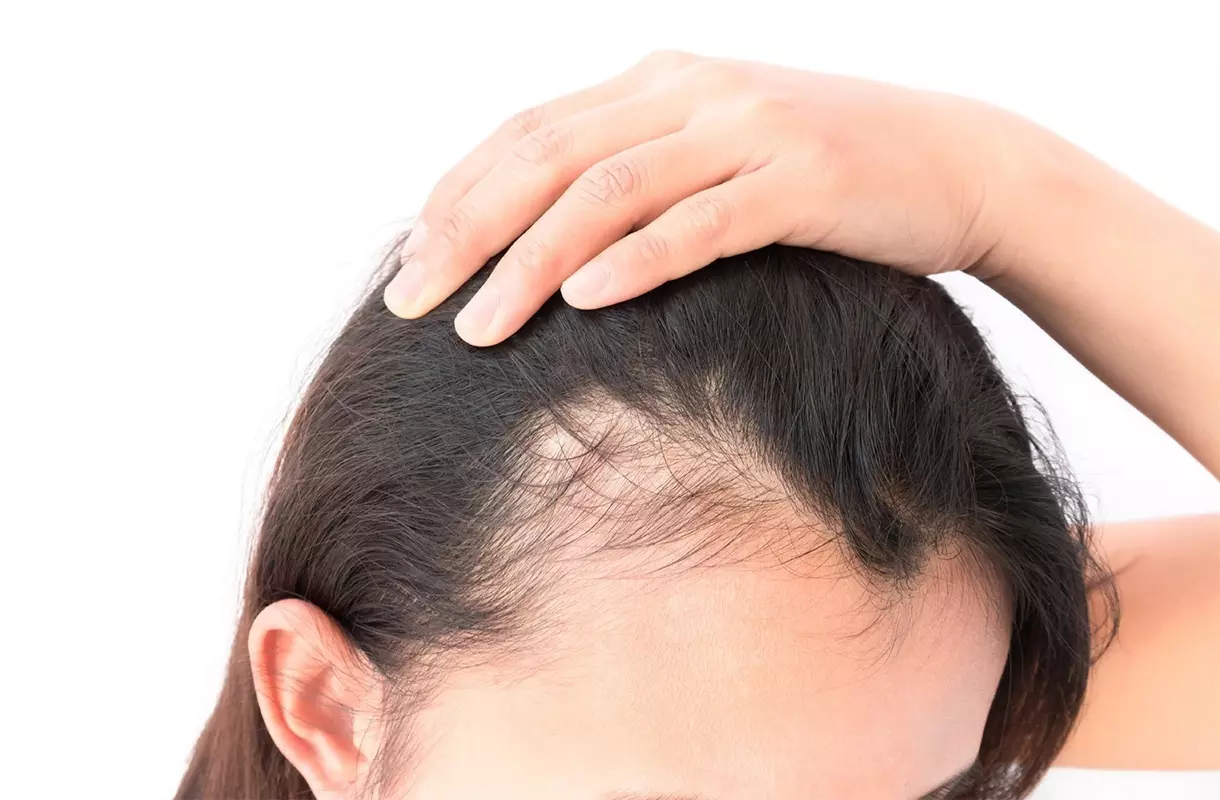

Hair shedding after weight loss is relatively common and is usually temporary. In many cases, shedding lasts between 3 to 6 months, although the exact timeline varies depending on how quickly the weight was lost, overall health, and nutritional status.
While increased shedding can feel alarming, it is often linked to a condition called telogen effluvium, a temporary disruption in the hair growth cycle. Understanding why it happens can help you take appropriate steps toward recovery.
Why Does Weight Loss Trigger Hair Shedding?
Significant or rapid weight loss can place stress on the body. When this happens, the body may temporarily shift energy away from non-essential functions like hair production. This can push more hair follicles into the resting phase of the growth cycle, leading to noticeable shedding several months later.
Common triggers include:
- Rapid calorie restriction
- Inadequate protein intake
- Nutrient deficiencies (iron, zinc, vitamin D, B vitamins)
- Hormonal shifts
- Surgery or major lifestyle changes
Shedding typically begins 2 to 4 months after the triggering event.
Semaglutide and Hair Shedding
Semaglutide is a GLP-1 receptor agonist medication originally developed to treat type 2 diabetes and now commonly prescribed for weight management. Some individuals using semaglutide have reported increased hair shedding.
Current understanding suggests that shedding may be related more to rapid weight loss itself rather than a direct effect of the medication on hair follicles.
What to keep in mind:
- Rapid weight reduction can trigger telogen effluvium
- Shedding may appear a few months after starting weight loss
- In many cases, shedding improves as the body stabilizes
If hair loss feels excessive or prolonged, it is important to speak with a healthcare provider.
Bariatric Surgery and Hair Shedding
Bariatric procedures such as gastric bypass or sleeve gastrectomy can result in significant weight loss. Temporary hair shedding is a known possibility after these surgeries.
Why shedding occurs:
- Rapid weight loss
- Reduced protein intake
- Changes in nutrient absorption
- Potential deficiencies in iron, zinc, vitamin D, or B vitamins
Shedding often begins 2 to 3 months after surgery and may continue for several months. With appropriate medical monitoring and nutritional support, regrowth commonly begins within 6 to 12 months.
Ongoing follow-up care is essential to ensure proper supplementation and overall health.
Understanding Telogen Effluvium
Hair grows in three phases:
- Anagen (growth phase)
- Catagen (transition phase)
- Telogen (resting phase)
Telogen effluvium occurs when a larger-than-normal number of hairs shift into the resting phase at the same time. Several months later, those hairs shed.
This condition is typically temporary. Once the body recovers from the stressor—whether rapid dieting, surgery, or illness—the hair growth cycle gradually normalizes.
How Long Does Shedding Usually Last?
For most people, shedding lasts 3 to 6 months. Recovery time depends on:
- The speed and extent of weight loss
- Nutritional intake
- Hormonal balance
- Stress levels
- Underlying medical conditions
In many cases, regrowth begins once nutrient levels are restored and the body adapts to its new weight.
Supporting Hair Recovery
If you're experiencing shedding after weight loss, focusing on overall health and scalp support can help.
Nutritional Optimization
Adequate protein intake is essential for hair production. Iron, zinc, vitamin D, and B vitamins also play important roles. A healthcare provider can recommend appropriate testing and supplementation if needed.
Topical Treatments
Minoxidil is an FDA-approved topical treatment that may support hair regrowth in some individuals. Results vary, and consistent use is important.
Prescription Options
Finasteride may be prescribed in certain cases, primarily for male pattern hair loss. A physician can determine whether it is appropriate based on individual factors.
Low-Level Laser Therapy (LLLT)
Some individuals explore non-invasive light-based therapies designed to support scalp circulation. Research is ongoing, and outcomes may vary.
In-Office Scalp Therapies
Acoustic-based delivery systems and professional scalp treatments are designed to enhance absorption of topical ingredients. While early studies are promising, more large-scale research is still developing.
No treatment guarantees specific results, and response times vary from person to person.
When Should You Seek Professional Advice?
Consider scheduling an evaluation if:
- Shedding continues beyond 6 to 9 months
- Hair loss appears patchy or sudden
- You notice scalp inflammation or irritation
- You suspect thyroid or hormonal imbalance
- There is a family history of pattern hair loss
A medical professional can help determine whether shedding is temporary or linked to another condition.
A Balanced Perspective
Hair shedding after weight loss can be stressful, but it is often part of the body’s adjustment process. With proper nutrition, stress management, and medical guidance when needed, most people see improvement over time.
If you are concerned about ongoing shedding, consult a licensed healthcare provider for individualized advice.
Important: This article is for informational purposes only and does not replace professional medical advice. Always consult a qualified healthcare provider regarding persistent hair loss or medication concerns.